
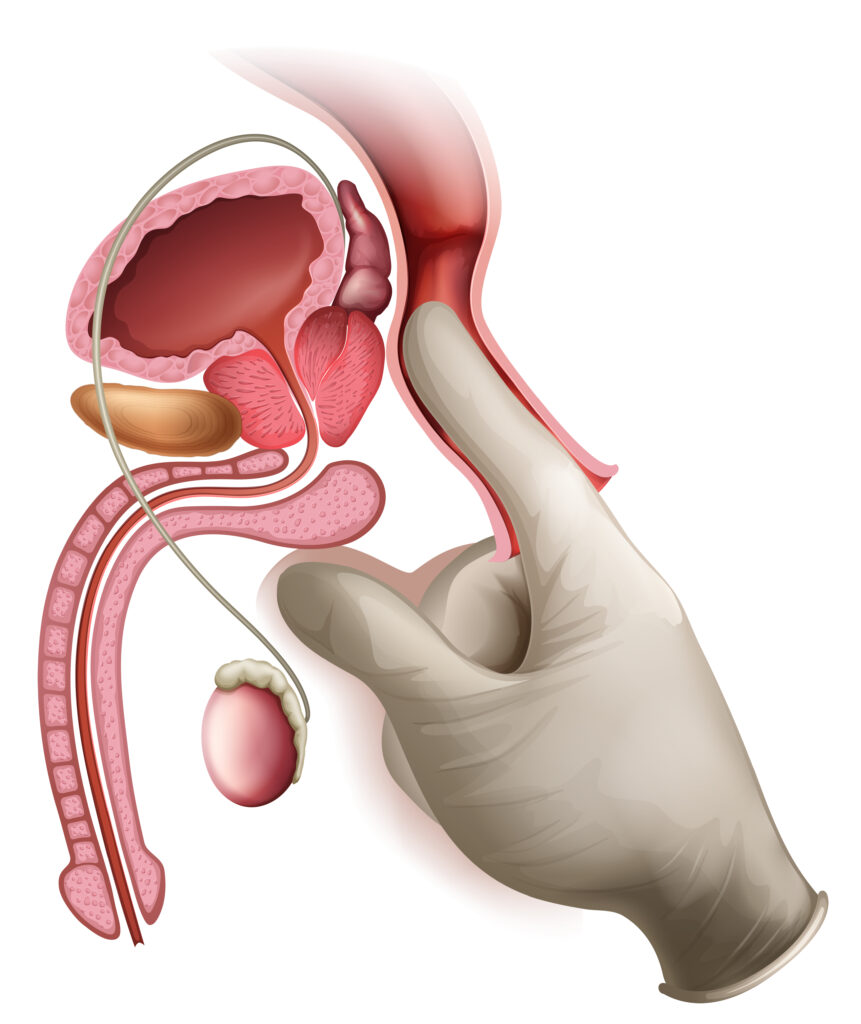
Anus swelling can be uncomfortable, especially when it is accompanied by pain, redness, irritation, or discharge. One possible reason is an anal fistula, a small abnormal passage that develops between the inside of the anus or rectum and the skin around it. In many cases, an anal fistula develops after an infection or abscess near the anus. Understanding why the swelling occurs can help you recognize the problem and seek medical attention at the right time.
For people looking for the Best Fistula doctor in adajan area, an early consultation can help determine whether the swelling is related to a fistula, abscess, hemorrhoids, or another condition.
Why Does an Anal Fistula Cause Swelling Near the Anus?
An anal fistula usually develops when an infected anal gland leads to an abscess. An abscess is a collection of pus that causes inflammation and swelling. When the abscess drains but the underlying infected passage remains, a fistula may form.
The fistula creates a pathway between the infected area inside the anus or rectum and the skin outside. This ongoing inflammation can result in a small lump or swelling close to the anal opening.
The swelling may become more noticeable when the fistula becomes blocked. Pressure can build up inside the tract, causing discomfort and sometimes leading to another abscess.
Common Reasons for Swelling Around the Anal Area
Swelling related to an anal fistula does not always look or feel the same. Some people notice a small, tender lump, while others may experience recurring swelling that comes and goes.
Common symptoms can include:
- Pain or tenderness around the anus
- A small opening or lump near the anal skin
- Pus or fluid discharge
- Redness or skin irritation
- Repeated swelling in the same area
- Discomfort while sitting
- Fever when an active infection or abscess is present
Persistent or recurring symptoms should not be ignored because an anal fistula generally does not heal permanently without appropriate treatment.
How Can a Fistula Lead to Repeated Swelling?
A fistula can behave like a narrow tunnel under the skin. If the opening becomes blocked, fluid and infection can collect inside the tract. This may cause the surrounding tissues to swell.
Sometimes the swelling reduces after pus or fluid drains through the external opening. This can make a person feel that the problem has disappeared. However, the fistula tract may still remain underneath the skin. As a result, swelling and discharge can return later.
This cycle of swelling, drainage, and recurrence is one reason why professional evaluation is important.
What Is the Difference Between a Fistula and an Abscess?
An abscess is generally an infected collection of pus, while a fistula is an abnormal passage or tract that can develop following an abscess.
An abscess may cause sudden pain, swelling, warmth, and sometimes fever. A fistula may cause recurring discharge, irritation, and repeated swelling near the same area.
Because their symptoms can overlap, it is not always possible to identify the problem by appearance alone. A surgeon may examine the area and recommend additional tests when necessary.
When Should You See a Fistula Specialist?
You should consider medical evaluation if swelling around the anus keeps returning, particularly when it is accompanied by discharge or pain. Sudden severe pain, rapidly increasing swelling, fever, or feeling generally unwell can indicate an active infection or abscess and may require prompt medical attention.
A specialist can examine the area, understand your symptoms, and determine the appropriate treatment instead of relying on home remedies alone.
If you are searching for the Best Fistula doctor in adajan area, Dr. Sohil Cyclewala can be consulted for evaluation of fistula-related symptoms and treatment options.
Can Laparoscopic Surgery Help With Fistula?
The treatment for an anal fistula depends on its location, complexity, and relationship with the anal sphincter muscles. Fistula treatment is not automatically the same as laparoscopic surgery.
A Best laproscopic surgeon may be consulted for conditions where minimally invasive abdominal surgery is appropriate, but anal fistulas require an individualized assessment. Depending on the case, treatment may involve procedures designed specifically to address the fistula tract while protecting normal bowel and sphincter function.
The goal is to treat the underlying tract effectively and reduce the possibility of recurrence.
How Is an Anal Fistula Diagnosed?
Diagnosis usually begins with a medical history and physical examination. The surgeon may look for an external opening, swelling, tenderness, or discharge.
For more complicated or deep fistulas, imaging such as MRI may sometimes be recommended. The choice of investigation depends on the symptoms and findings during examination.
Getting the diagnosis right is important because different types of fistulas may require different treatment approaches.
What Happens If Fistula Is Ignored?
Ignoring recurring swelling may allow infection to continue or return. The fistula can sometimes become more complicated, and repeated inflammation may make future treatment more challenging.
It is therefore better to have persistent symptoms evaluated rather than waiting for the swelling to disappear on its own.
Practical Steps Until You See a Doctor
While waiting for an appointment, keeping the area clean and following basic hygiene can help reduce irritation. Avoid squeezing or attempting to drain a swelling yourself. Warm water sitz baths may provide temporary comfort for some people, but they do not eliminate an established fistula.
Most importantly, do not rely on temporary relief as proof that the condition has healed.
Understanding the Swelling Is the First Step
Recurring swelling near the anus is worth taking seriously, particularly when it comes with pain, discharge, or repeated episodes of inflammation. An early examination can help identify whether a fistula or another condition is responsible and guide you toward appropriate treatment. Dr. Sohil Cyclewala can provide an evaluation and discuss suitable treatment options based on the individual condition.
Frequently Asked Questions
1. Can an anal fistula cause a lump near the anus?
Yes. Inflammation, blockage of the fistula tract, or an associated abscess can cause a painful or tender lump near the anal opening.
2. Does anal fistula go away on its own?
An established anal fistula generally requires medical assessment and often a procedure for definitive treatment. Temporary drainage may reduce swelling without eliminating the fistula tract.
3. Is every swelling near the anus a fistula?
No. Swelling can also occur due to hemorrhoids, abscesses, skin infections, cysts, or other conditions. A medical examination is needed to identify the actual cause.